
Metadata Synchronization
Metadata synchronization is important in distributed computing environments where data is stored and processed across multiple systems or in cutting edge technologies . In such environments, ensuring consistent metadata across all nodes is essential for enabling efficient data access, querying, and processing.
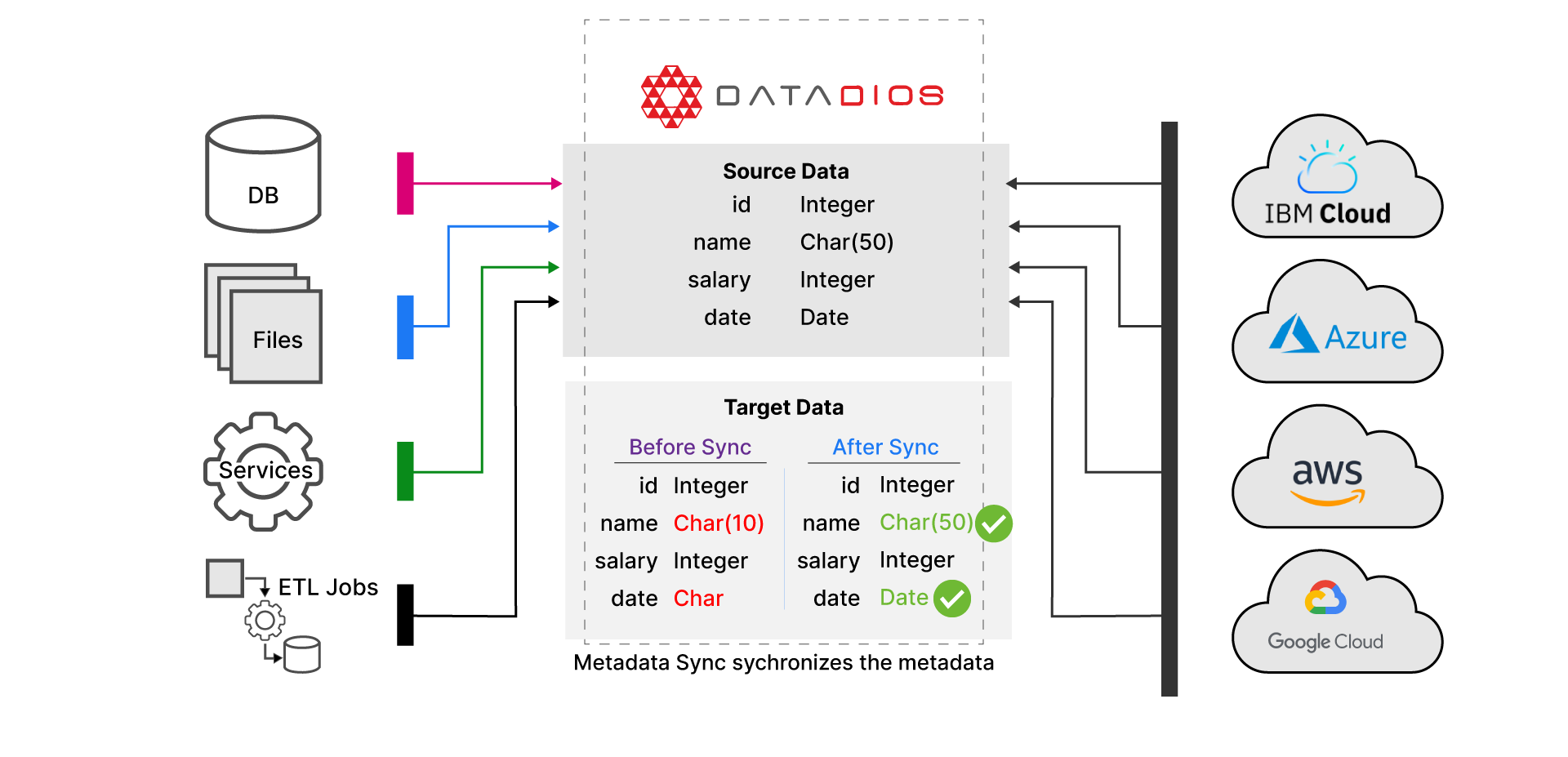
Benefits
Full Migration Metadata(First Time):
This feature allow users to transfer metadata objects, such as tables, columns, indexes, and relationships, from one system to another while ensuring consistency and integrity.
Version Control :
This Feature allows users to track changes to metadata over time and manage migrations using versioning features. This ensures traceability
Automated Synchronization(Scheduler):
This feature helps users to schedule workflows to synchronize metadata automatically
Migrate only Deltas:
This feature transfers or applies only the changes (deltas) between two sets of metadata, rather than transferring the entire metadata structure.
Data Lineage and Impact Analysis:
Capabilities for tracing the lineage of metadata objects to understand their origins and how they are used in data flows, as well as performing impact analysis to assess the potential effects of metadata changes on downstream systems or processes.
Monitoring and Reporting:
This feature track the status of synchronization tasks, provide real-time visibility into synchronization processes, and generate reports on synchronization activities, errors, and performance metrics.
Delta Finding:
This feature identifies and highlights the differences or changes between two sets of metadata.
Schema Comparison:
This feature compare the metadata structures between two environments and identify differences.
FAQs
What is metadata synchronization?
Metadata synchronization is the process of keeping metadata such as tables, columns, indexes, relationships, and schemas consistent across multiple systems or environments. It is especially important in distributed and modern data architectures where data is stored and processed across many platforms.
Why is metadata synchronization important in distributed environments?
In distributed environments and cutting-edge technologies, data is spread across multiple systems. Consistent metadata across all nodes is essential for efficient data access, accurate querying, reliable processing, and avoiding mismatches between systems that can break pipelines or reports.
What is “Full Migration Metadata (First Time)” in metadata synchronization?
Full Migration Metadata (First Time) refers to the initial transfer of all metadata objects tables, columns, indexes, relationships from one system to another. This feature ensures that the target environment starts with a complete, consistent, and integrity-preserving copy of the source metadata.
How does version control help with metadata synchronization?
Version control for metadata allows users to track changes over time and manage migrations using versioning features. This ensures traceability, makes it easier to roll back to previous states if needed, and provides a clear history of how schemas and metadata have evolved.
What is automated metadata synchronization (scheduler)?
Automated synchronization uses a scheduler to run workflows at defined intervals. Instead of manually triggering syncs, users can schedule metadata synchronization tasks to run automatically, keeping environments aligned without constant human intervention.
What does “migrate only deltas” mean in metadata synchronization?
“Migrate only deltas” means transferring or applying only the changes between two sets of metadata rather than copying everything again. This delta-based approach is more efficient, reduces processing time, and minimizes the risk of overwriting unchanged or stable metadata.
How does delta finding help in metadata synchronization?
Delta finding identifies and highlights the differences between two sets of metadata, such as added, removed, or modified objects. By surfacing these changes, it helps users understand what needs to be synchronized and supports targeted, incremental updates.
What is schema comparison in metadata synchronization?
Schema comparison is the process of comparing metadata structures between two environments such as development and production and identifying differences. This feature helps ensure that schemas remain aligned and that changes are properly promoted and documented.
How do data lineage and impact analysis support metadata synchronization?
Data lineage and impact analysis show where metadata objects originate, how they flow through systems, and which downstream processes depend on them. This helps teams assess the impact of metadata changes before applying them, reducing the risk of breaking reports, pipelines, or applications.